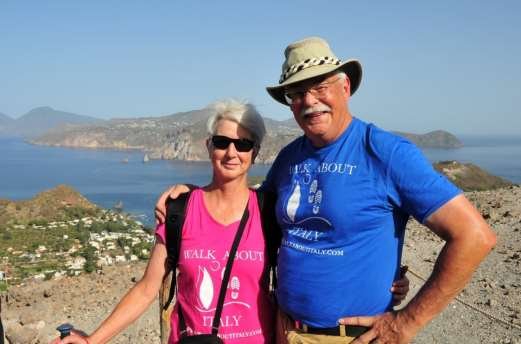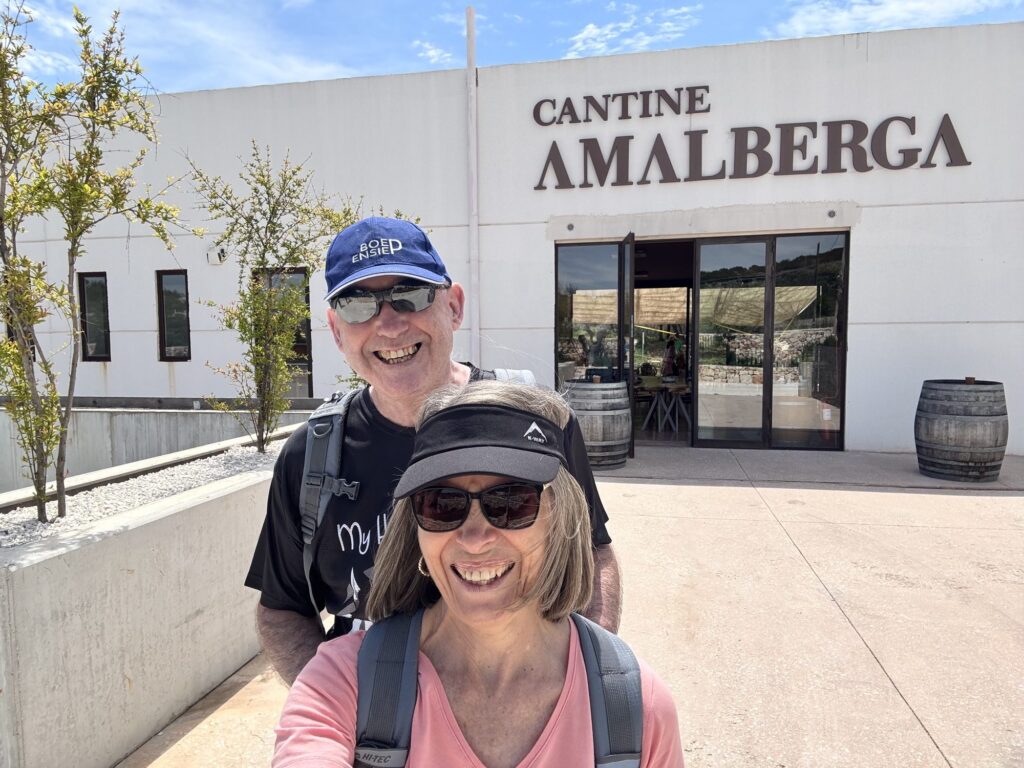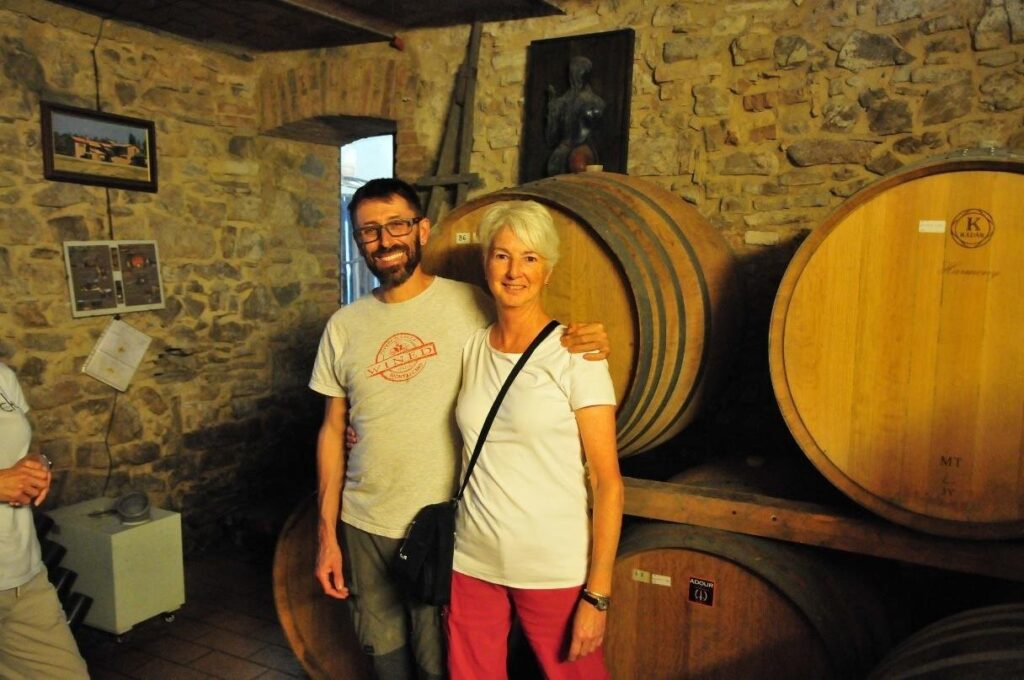
In October 2023, Laura and I spent a month in Italy on Walk About Italy tours in Tuscany, along the Amalfi Coast and in Sicily, a journey we call the “Italian Adventure”. This is the Sicilian chapter, and we have split it in two: first the south-east coast, then the Aeolian Islands.
Sicily has always been the most coveted island in the Mediterranean, a crossroads of cultures, landscapes and cuisine for over 3000 years. Phoenicians, Greeks, Romans, Byzantines, Arabs, Normans, French and Spanish have all left an indelible impression, and it shows in the architecture, the language and, above all, the food.
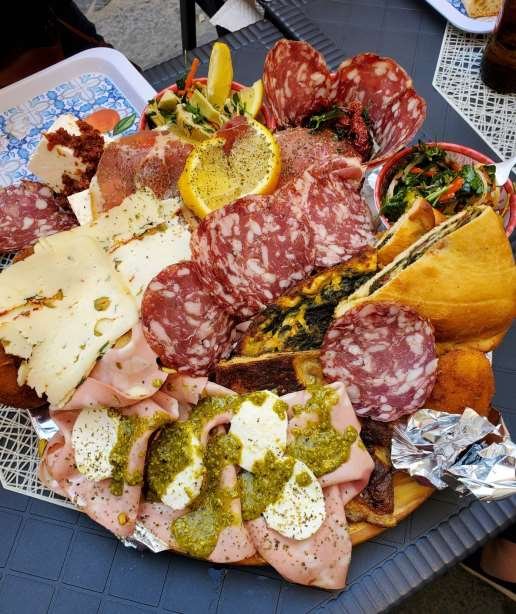
Our journey began with a flight from Naples to Catania, then a one-hour bus ride to the historic city of Syracuse (Siracusa). Upon arrival, we coincidentally met another couple from our group who were also trying to find our hotel. Deciding lunch would be in order, we explored the neighbourhood together and found a delightful trattoria. The mixed platter we ordered reflects the diversity of Sicilian cuisine: fresh seafood, aromatic herbs, citrus fruits, olives, capers and unique spices.
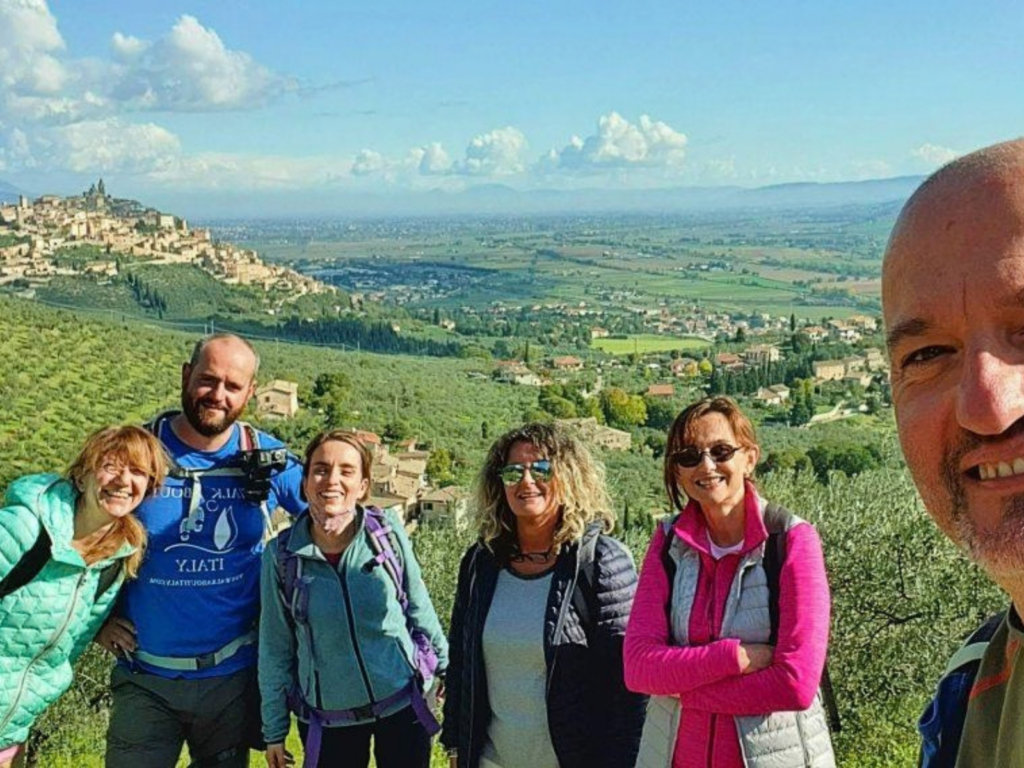
Regrouping at the Caportigia Boutique Hotel, we linked up with the rest of our group. There were 17 of us, including our tour organizers, Gianni and his sister Sandra, and our guide for this leg, Ermes (Hermes), a native Sicilian. The Canadians were the dominant contingent, including an 80-year-old and her three daughters, and they were joined by five from Australia and two from South Africa.
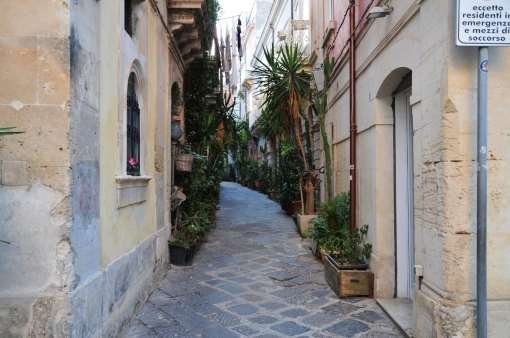
The first order of business was a walk-about in Siracusa. If you are looking to take a trip back in time to when the Greeks dominated the known world, a visit to Syracuse is a must. Archimedes was born here, and the philosopher Plato visited several times. The Greeks first settled on the small island of Ortigia, connected to the rest of the city by three bridges, and a stroll along its quaint and picturesque streets offers up Baroque and medieval buildings.
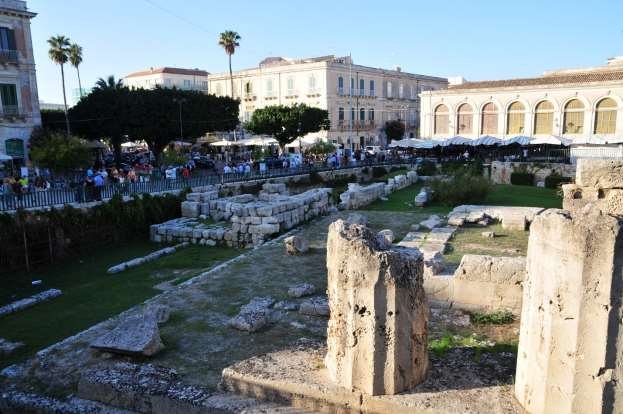
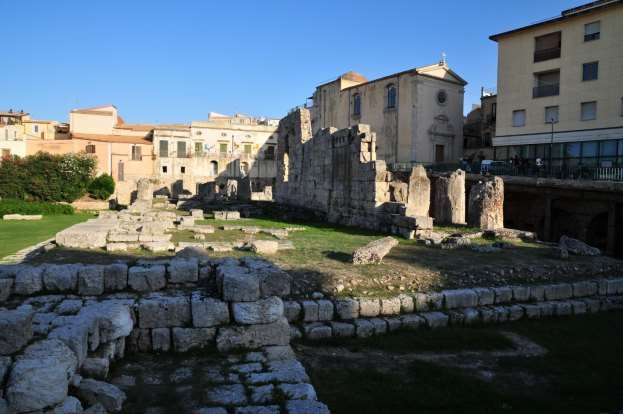
Crossing the Ponte Umbertino bridge onto Ortigia, we reached the ruins of the Temple of Apollo, the oldest Doric temple in Sicily, dating back to the 6th century BCE.
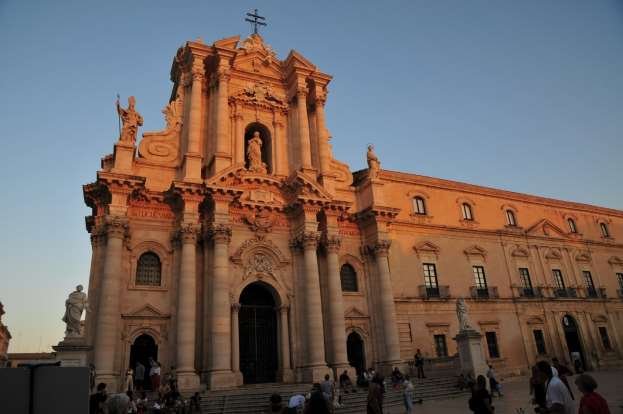
Another temple in Syracuse, the Temple of Athena, has been incorporated into a Christian church: the Cathedral of Syracuse in the Piazza del Duomo. The original Doric columns are still there, inside the church.
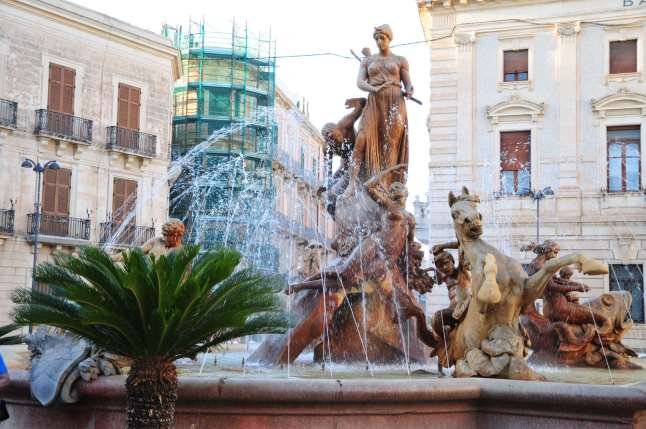
In the elegant Piazza Archimede is the Fountain of Diana. At Diana’s feet lies the nymph Arethusa, who, seeking Diana’s protection from the loving attentions of Alpheus, was transformed into the freshwater spring that gushes out at the seashore. Greek mythology appears to explain everything.
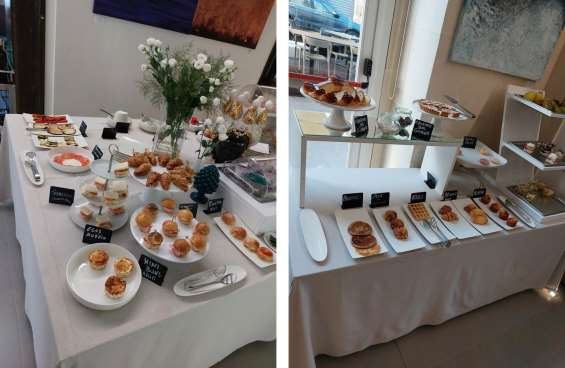
Breakfasts in Sicily are different from the mainland: in addition to coffee, the Sicilians like assorted pastries such as brioches filled with fruit jam or chocolate.
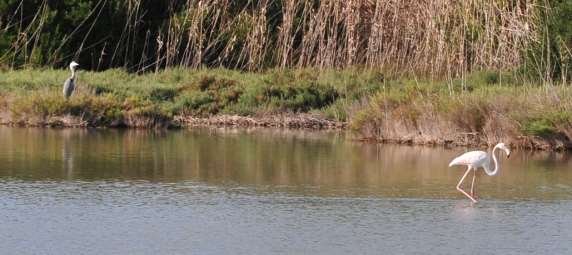
We would need all those calories the next day, as we were heading to the Vendicari Natural Reserve. The reserve was established in 1984 to protect the flora, fauna and archaeological remains of the area, and it attracts more than 300 species of animals such as flamingos, herons and sea turtles. It is a place of absolute harmony; the dazzling sunlight enhances the colors of nature, and in the background was the scent of thyme.
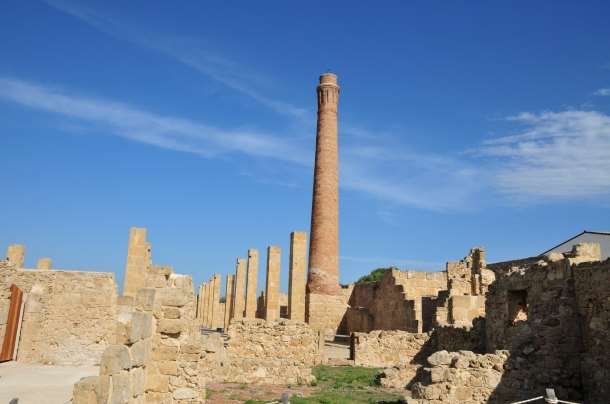
Our trek took us seaside to a now-closed tuna fishery, the Tonnara Vendicari, which dates back to the seventeenth century and was used until the last century. Every summer the tuna migrate along the east coast, and once here they were herded into salt water pens where they were sorted and processed.
Not far along the coast we sighted the Tower of Vendicari, built in 1424 to defend the warehouses where goods for trade were stored. Towers like this one formed a system of defence and signalling for the Kingdom of Sicily, to hold off the Barbary pirates.
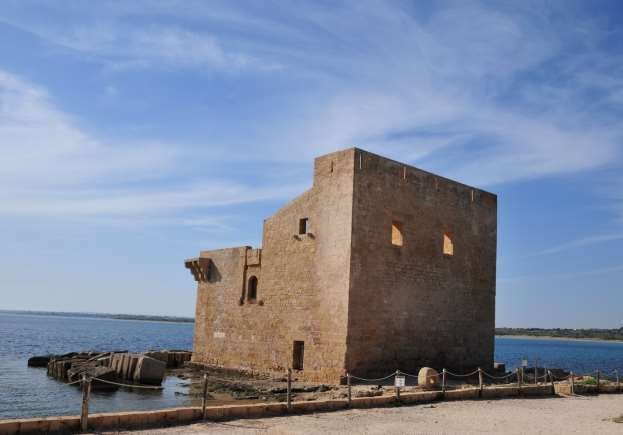
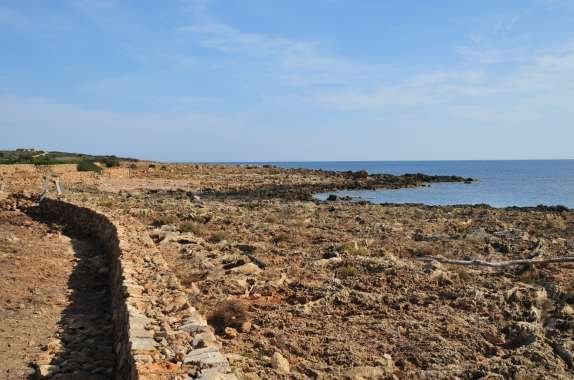
Our hike continued on a relaxed coastal path, alternating between beaches of fine, light sand, rocky shores and the Ionian Sea. Our weather was like the previous legs: blue sky, sunshine and temperatures in the low 30s. Humidity was high but not stifling, and the hikes were very warm but pleasant.
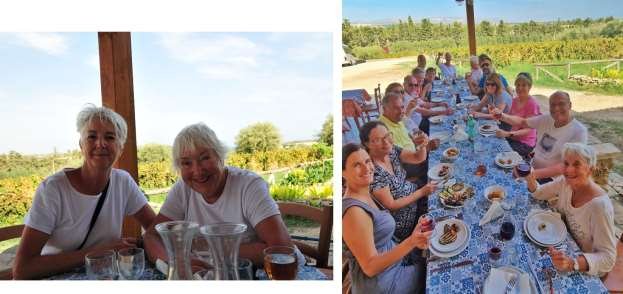
We arrived at a farm restaurant that served its own vegetables, wine and olive oil. Sicilian food is rich and distinctly its own. Rather than the north’s eggy pastas, cheese and cured pork, many of Sicily’s most famous recipes feature local, sun-soaked ingredients, such as seafood, olives, raisins, eggplant, capers and tomatoes. Home of cannoli and granita, Sicily is also known for its sweets.
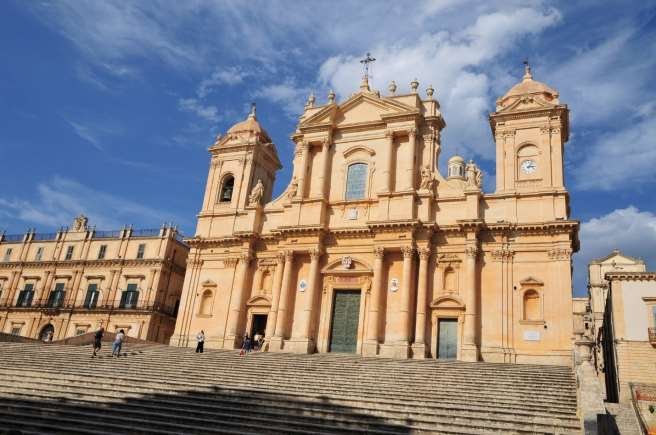
After lunch we visited the town of Noto, the symbol of the Sicilian Baroque and a UNESCO World Heritage Site. In 1693 an earthquake completely destroyed the ancient town, and it was rebuilt nearer to the Ionian Sea with a whole new imprint, becoming the jewel of the Baroque movement. In the Piazza del Municipio, atop an imposing flight of steps, stands the Noto Cathedral, in yellow limestone.
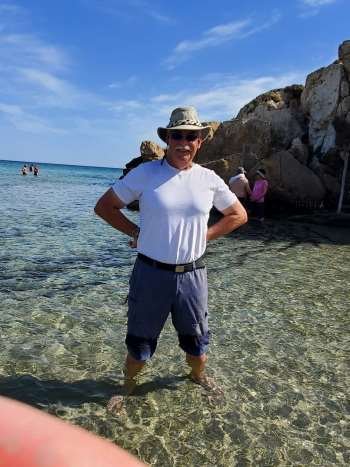
We cooled off after another full day of discovery on a beach in the delightful waters of the Ionian Sea.
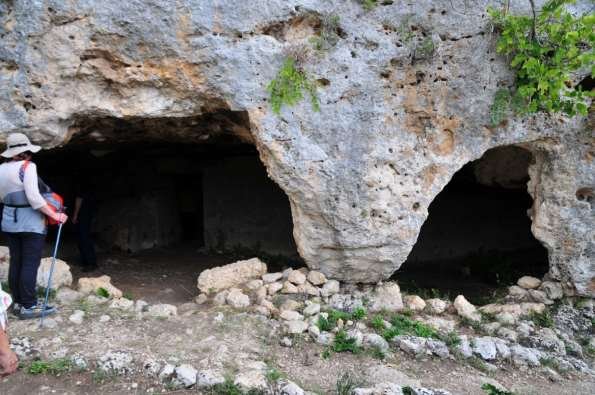
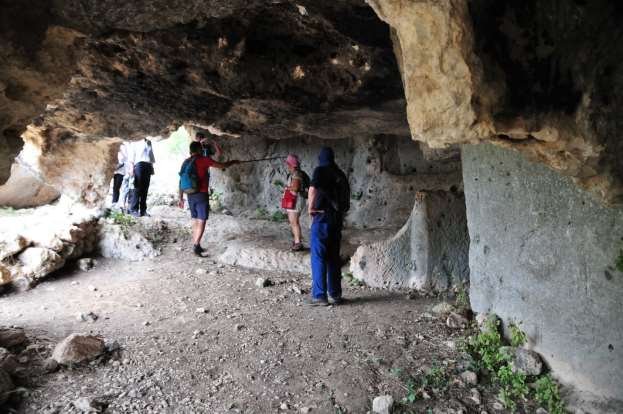
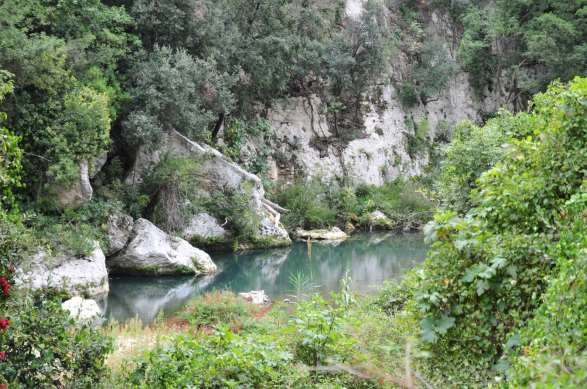
Leaving Syracuse the next morning, we headed north toward the port of Milazzo. Along the way we made a stop at another UNESCO World Heritage site, the Necropolis of Pantalica. Around 1300 BCE the Sican tribe left their coastal settlements for the valley between the rivers Anapo and Calcinara, where the rivers had carved a canyon in the limestone and many caves had dissolved out of the porous rock. The people used the natural caves as dwellings and carved artificial ones in the mountain. Over 5000 cave tombs remain.
We hiked all the way to the bottom of the valley to the Anapo river, which offered some scenic sites as well as a variety of flowering cacti. After our exploration of the Pantalica, we had a typical Sicilian lunch (caponata, frittata and grilled meat) at a farmhouse near the picturesque town of Ferla, and continued on to Milazzo.
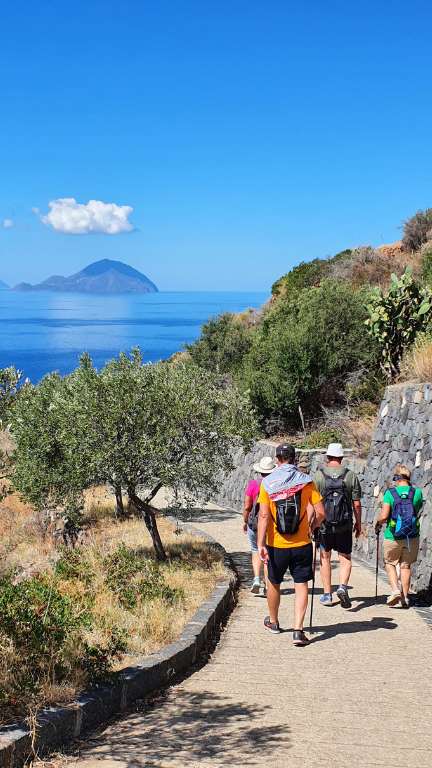
Many of the Greek gods resided in Sicily. Hephaestus, the god of fire, blacksmiths and metallurgy, had one of his forges in Mt Etna. And Aeolus, God of Winds, lived in the Aeolian Islands … and that is where we were headed to begin the next phase of our Sicilian escapade.
More from Laura and Gerald’s Italian Adventure:
Our trip to Tuscany: farm lunches, wine and hill towns
Our trip to the Aeolian Islands: volcanoes, capers and a long lunch

Gerald W. from Canada
Walked Secret Sicily in October 2023, as a couple.
Share this story
To share on Facebook, tap its icon, then choose Facebook (or any other app) from the list that opens.
Secret Sicily
The real Sicily beyond the tourist trail: baroque towns, street food and dramatic landscapes. Small groups, local guides.
See the tour