BLACKFRIDAY SPECIAL: € 100 OFF PER PERSON on your Italian adventure!

Coffee Chronicles: Unraveling the Italian Espresso Odyssey and the Enigmatic Absence of Kettles

Coffee Chronicles: Unraveling the Italian Espresso Odyssey and the Enigmatic Absence of Kettles
Gianni Stanghellini, PhD in Geology
·Published 19 Jan 2024
Share


Dear Walk About Italy Explorers,

today we will guide you through the intricate paths of Italian coffee, a kind of mystical journey rich in symbolism and complications for those unfamiliar with the territory. Let’s also delve into the mystery of the absent kettle, a lack that, for some reason, seems to baffle foreign visitors.
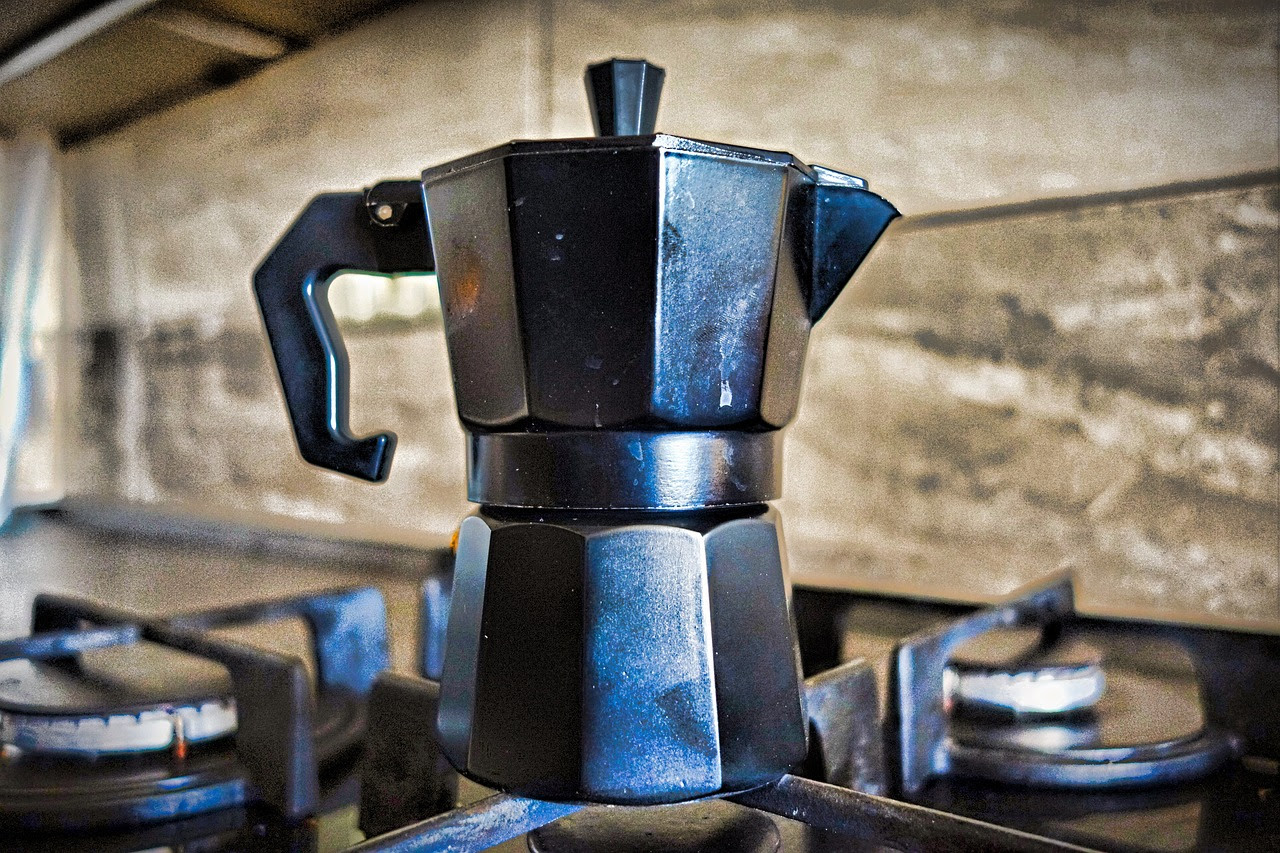
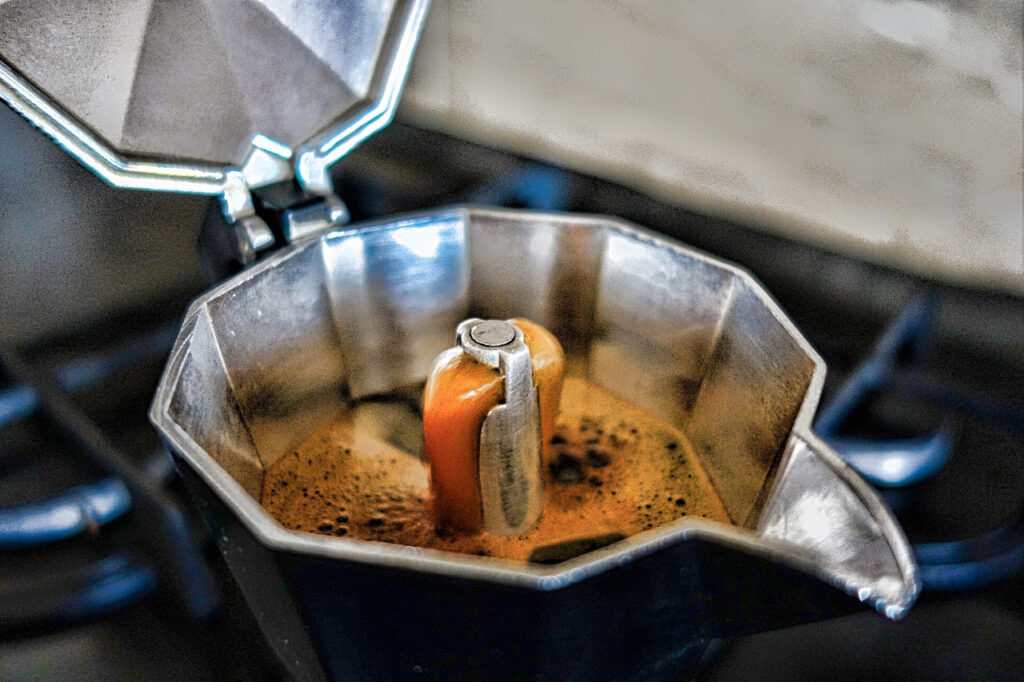
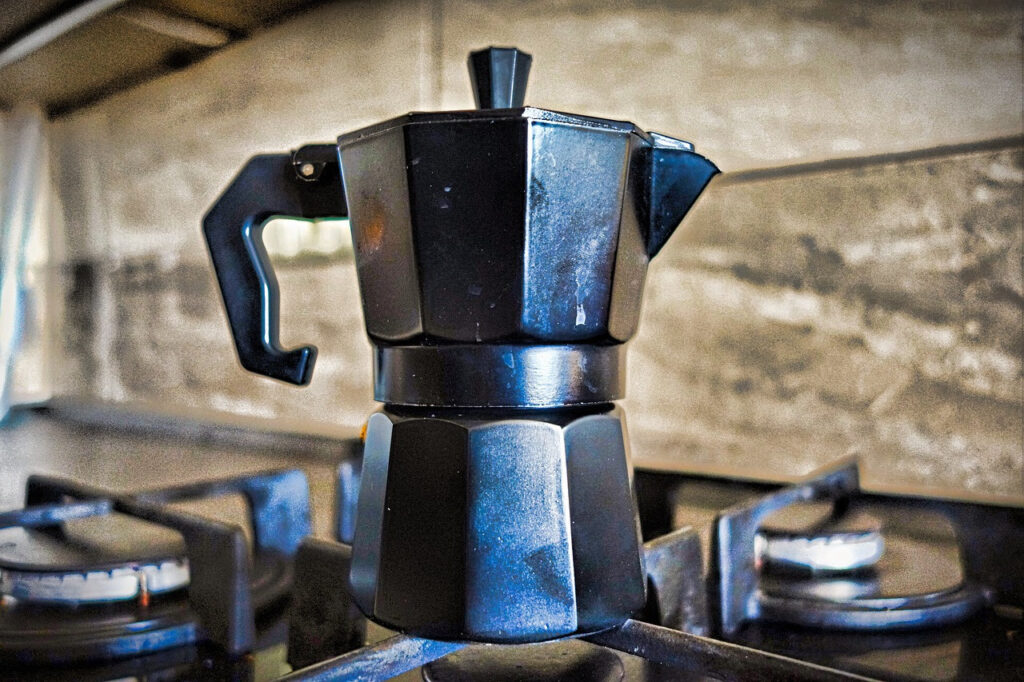
Coffee, for the average Italian, is more than just a beverage; it’s a ceremony. If one has coffee at home, the Italian insists on the moka (preferably Bialetti) on the gas stove. Yes, just like modern-day cowboys. Imagine having to choose between pressing a button on a pod machine and performing the ancient ritual of moka coffee—there’s no comparison.
Coffee represents a moment of pause, a temporal suspension. Its preparation takes time, extending the moment of relaxation. It’s not a drink to be sipped absentmindedly at the desk while working. It is fully consumed in a small espresso cup, perhaps shared around a table for a bit of conversation.
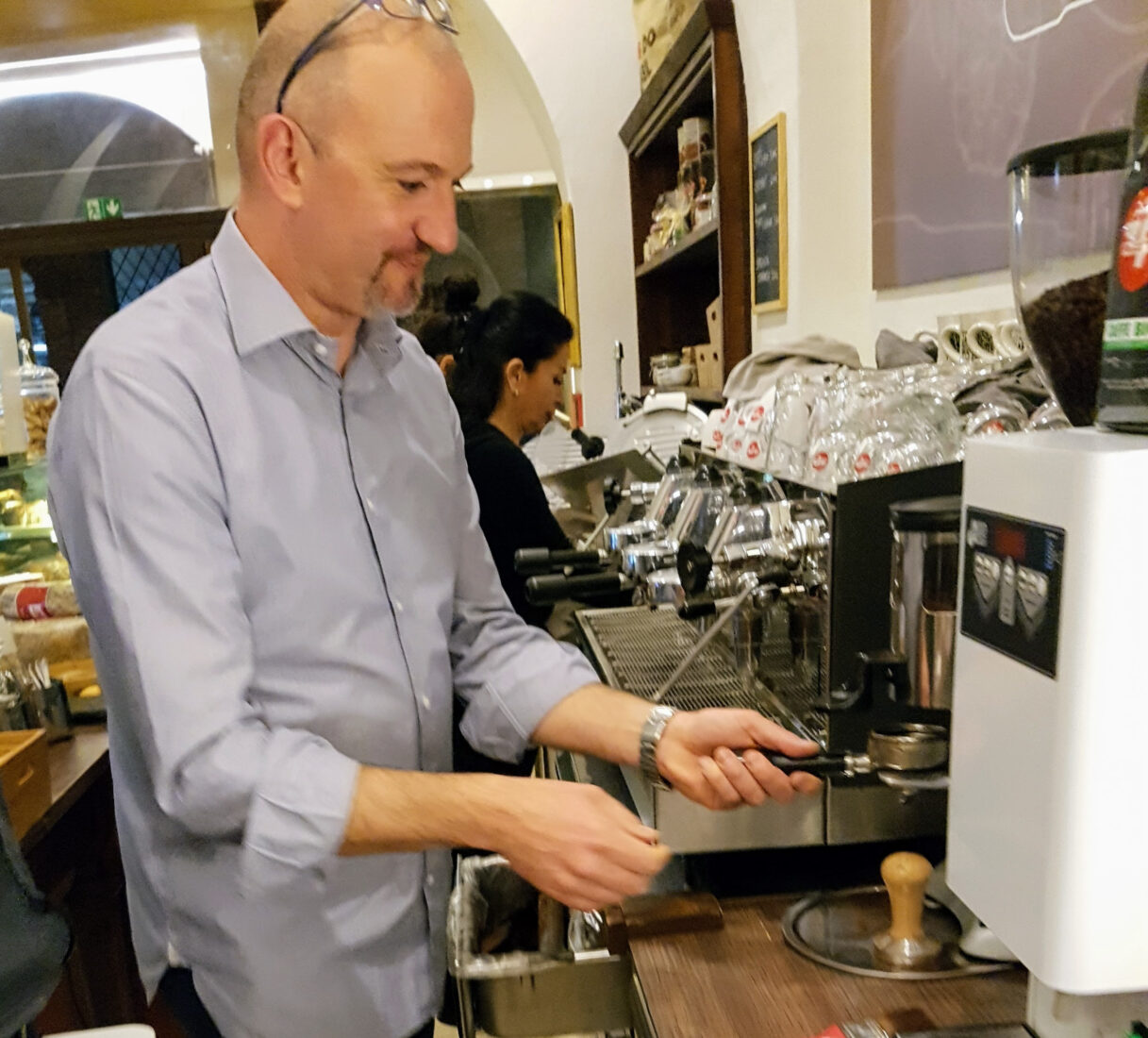
But coffee at the bar is a different story. Every Italian has their “coffee preferences,” and asking for a simple “coffee” is like opening a Pandora’s box of coffee makers. You’ll be served a classic espresso in a cup that seems to have just come out of the dishwasher, still warm. The coffee will be more concentrated than what the rest of the world calls an “espresso.” A true Italian coffee is like a magical potion that hits you with force.

If you want something different, be prepared to weave the tapestry of the right words:
– The “ristretto” is espresso but shorter. Perfect for those who want to take a dip without risking drowning in the coffee puddle.
– The “caffè lungo” is espresso that decided to go jogging. But don’t even think remotely of an Americano; it will be much more concentrated.
– The “caffè macchiato” is espresso that had a close encounter with a cloud of hot, frothy milk, similar to that of a cappuccino. And if you want cold milk, be ready to order a “caffè macchiato freddo.”
– The “caffè americano” is espresso that decided to take a vacation, highly diluted.
– Finally, the “caffè corretto” Because, naturally, what could improve an espresso if not a touch of grappa or sambuca? It’s the perfect way to make the coffee feel “adult” without having to teach it how to drive. Who would have thought that coffee would need alcohol to feel grown-up?

And if you’re a cappuccino enthusiast, remember: only at breakfast in Italy. After 11 in the morning is like trying to snowboard on the beach—technically possible but highly unusual.

Gianni, owner and guide at Walk About Italy

Written byGianni StanghelliniPhD in Geology

A certified nature walking guide since 1999, Gianni spent years guiding and working behind the scenes for foreign walking tour companies. Then he earned his Tour Organizer license and now runs Walk About Italy. Music and walking are his passions.
Share this story

To share on Facebook, tap its icon, then choose Facebook (or any other app) from the list that opens.

To share on Facebook, tap its icon, then choose Facebook (or any other app) from the list that opens.

More stories

Discover Italian Alps & Dolomites delicious food Taste & Table Updated Nov 2026
Alps & Dolomites

Discover Italian Alps & Dolomites delicious food

Canederli, homemade cakes, Kaiserschmarrn and an accordion at sunset. Come with us to two lovely mountain huts in the Dolomites.

By Gianni Stanghellini with Rudy
Laundry in the sun. A timeless habit. On the Trail

Laundry in the sun. A timeless habit.

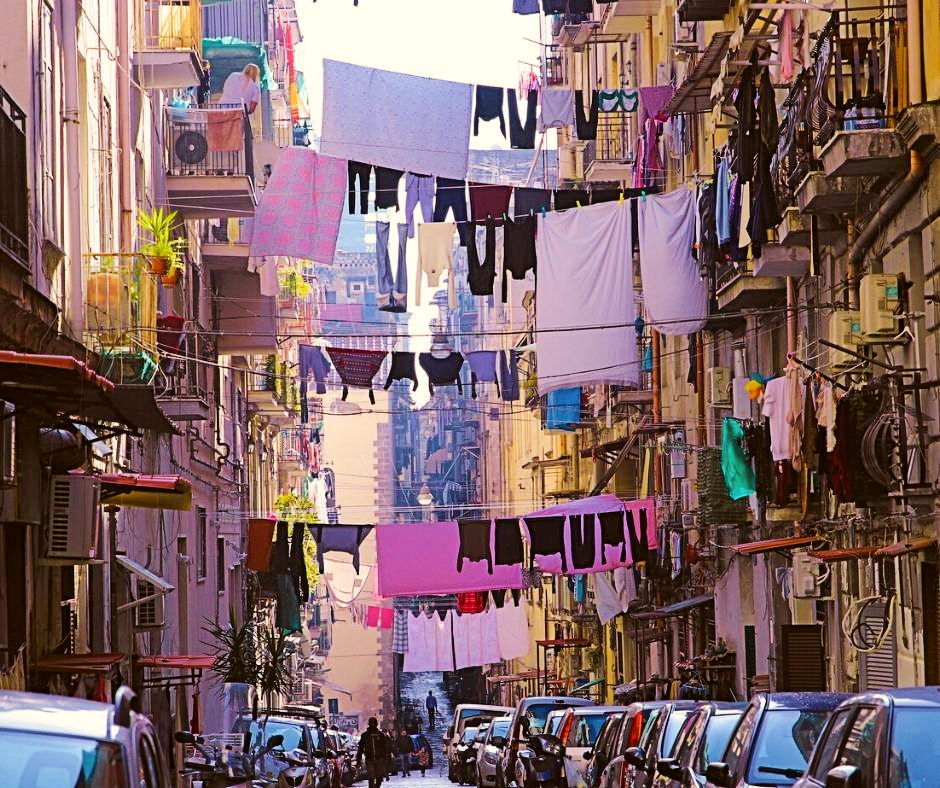
Clothes hanging on the drying racks of the balconies. Clothes hanging on ropes pulled under the windows or on the terraces. Clothes hung even in the narrow…

By Gianni Stanghellini
Yellow May in Italy On the Trail

Yellow May in Italy

Spring has started for a couple of months now in Italy; the sun gives us long and warm days and nature has awakened! It is an explosion…

By Gianni Stanghellini
Get our stories in your inbox

A selection of our stories and news from the walks, now and then. No spam.

BLACK FRIDAY

per person

Book your walking tour using the code: BLACKFRI26 

Offer ends Wednesday, December 2

Can be combined with other discounts

Walk rating guide

Terrain: Mostly flat or gently rolling terrain, with well-maintained paths and only occasional short uneven sections.
Distance: Usually shorter walks, around 4.5 to 5.5 km / 3 to 4 miles per day, depending on the itinerary.
Elevation gain: Very limited. There may be a few gentle slopes, but no significant climbs or descents.
Who it is for: Ideal for beginners, casual walkers, families, and anyone looking for a relaxed walking holiday with little physical effort.

Terrain: A mix of flat sections and more uneven ground, with some inclines, steps, or minor obstacles that remain manageable for most reasonably active travellers.
Distance: Generally around 5 to 8 km / 3 to 5 miles per day, depending on the tour and terrain.
Elevation gain: Noticeable but not demanding. Some uphill and downhill stretches may be present, though never steep or prolonged.
Who it is for: Suitable for beginners who want a slightly more active experience, as well as for regular walkers looking for a relaxed but rewarding pace.

Terrain: Varied terrain that may include uneven paths, longer walking sections, and regular uphill or downhill stretches.
Distance: Moderate daily walking time and distance, suitable for travellers who enjoy being active outdoors for a good part of the day.
Elevation gain: More consistent and clearly noticeable, though still within the reach of anyone with a basic to good level of fitness.
Who it is for: Best for active travellers who are comfortable walking for several hours a day and can handle some uneven terrain and sustained inclines.